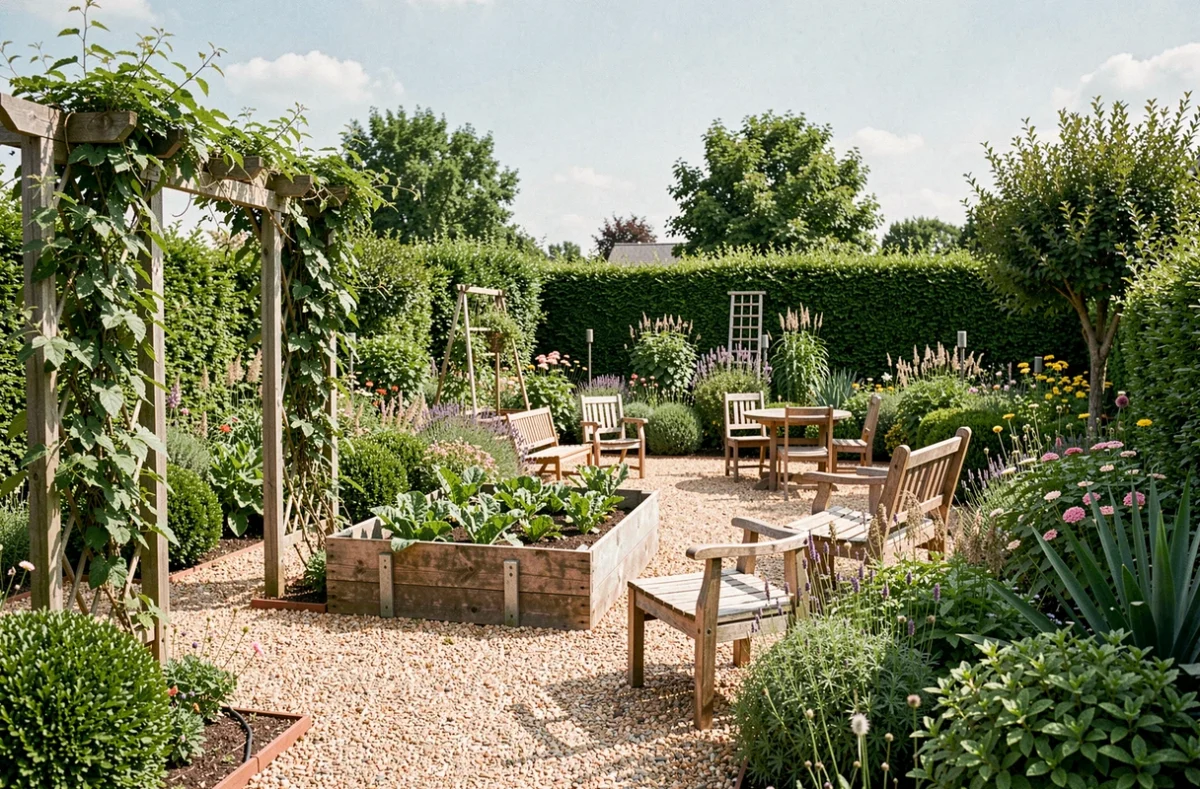
Reinventing a garden doesn’t necessarily require major renovations or a significant budget. A few targeted interventions are enough to change the perception of an outdoor space, provided you know where to act. Here are ten creative ideas to transform your garden, from the ground to the verticals, focusing on accessible solutions suitable for increasingly dry summers.
1. Replace a portion of lawn with drought-resistant ground cover
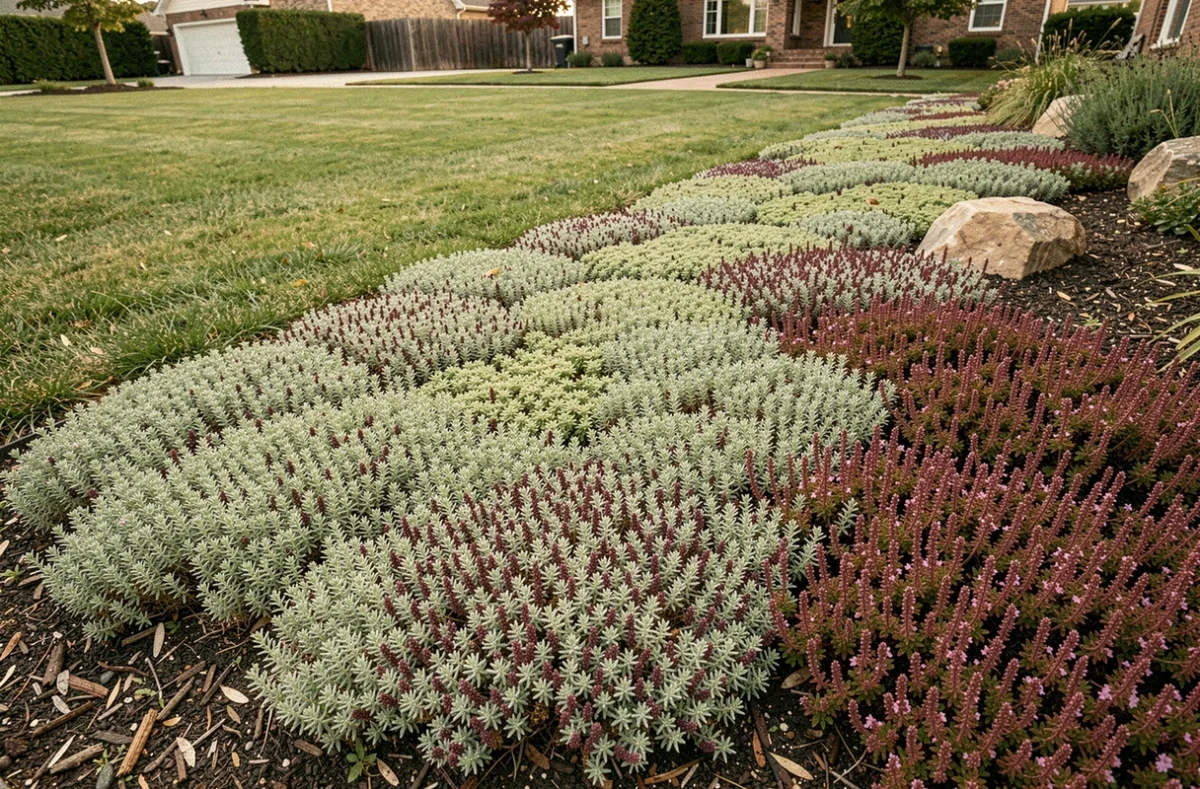
The classic lawn consumes a lot of water and requires regular mowing. Landscapers are now turning to water-wise ground covers like creeping thyme, sedum, or frankenia. These ground-hugging plants withstand heat, don’t need mowing, and form a dense carpet in just a few months.
The trick is to water generously in the first year to encourage deep rooting, then drastically reduce watering. At Terra Botanica, the teams applied this method: intensive watering in the first season, then complete cessation. The plants then develop normally despite dry spells, according to France Inter.
On 100ideesjardin.fr, several varieties of ground covers suited to different soil types are listed, helping you choose before planting.
2. Create a vertical garden on reclaimed pallets
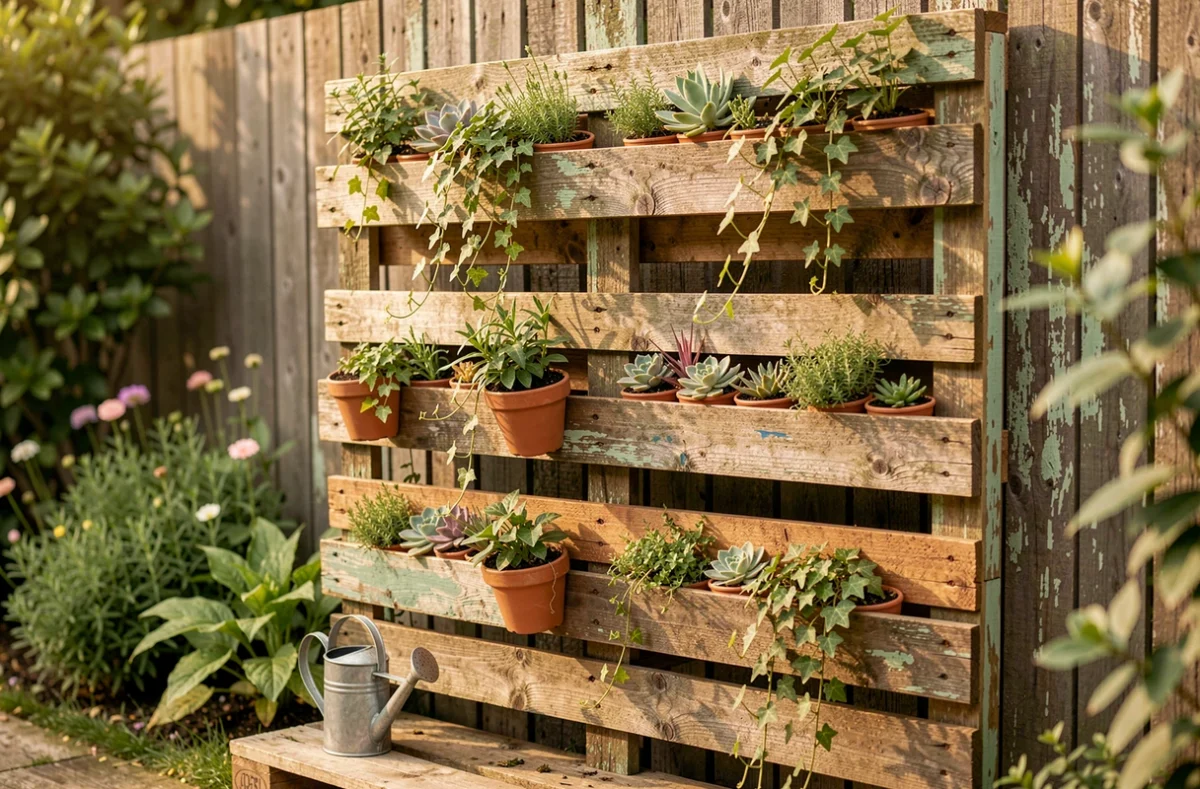
A wooden pallet fixed to the wall becomes a vertical growing support for almost no cost. Sand the surface, staple a geotextile fabric to the back, fill the gaps with potting soil, and plant trailing perennials or herbs.
This type of pallet vertical garden works well against a fence wall or on the facade of a garden shed. The advantage over an artificial green wall: the pallet ages with the rest of the garden and welcomes pollinating insects.
3. Install a Mediterranean gravel garden
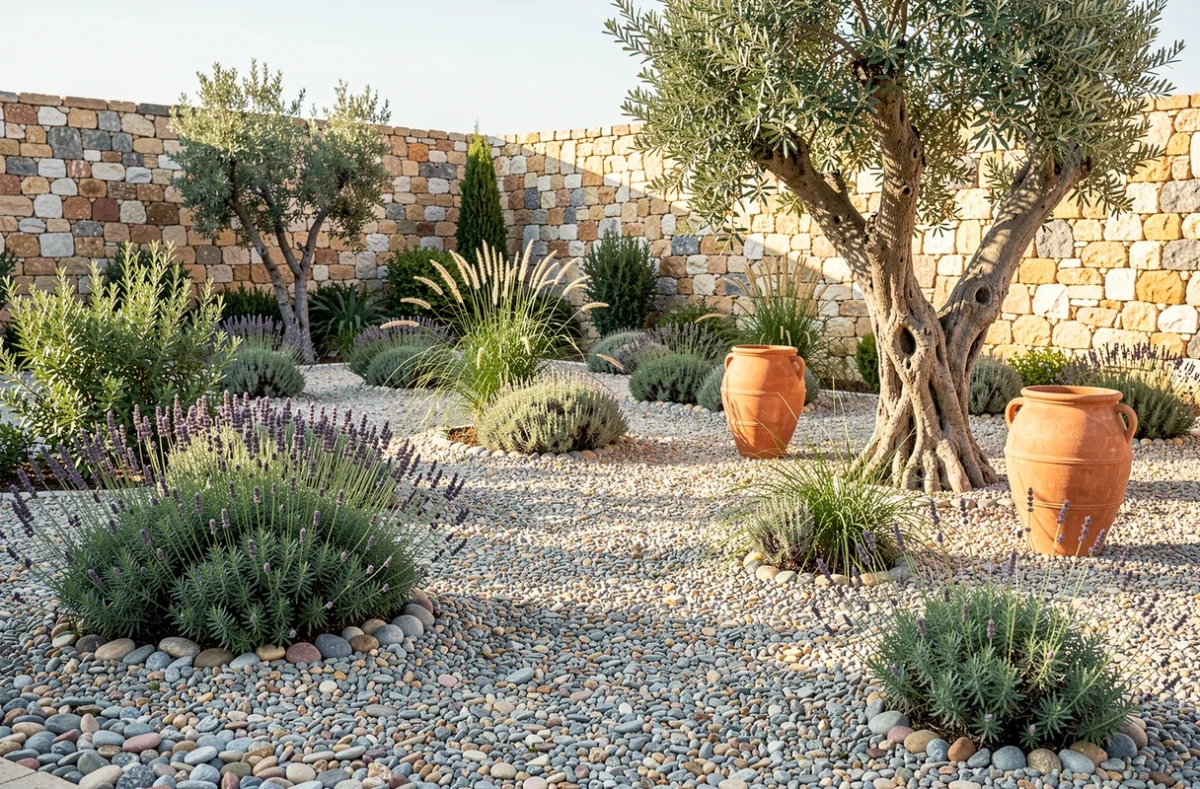
The gravel garden involves mulching the soil with a layer of light gravel, then integrating Mediterranean plants: lavenders, sages, verbena, ornamental grasses. The gravel limits evaporation and prevents the growth of weeds.
This is a relevant solution for sunny areas where the lawn scorches every summer. Drought- and frost-resistant perennials (sedum, gaura, yarrow) thrive particularly well here. Modes et Travaux recommends verbena and sage among the plants to install for a garden without watering.
4. Build a potting table with reclaimed wood
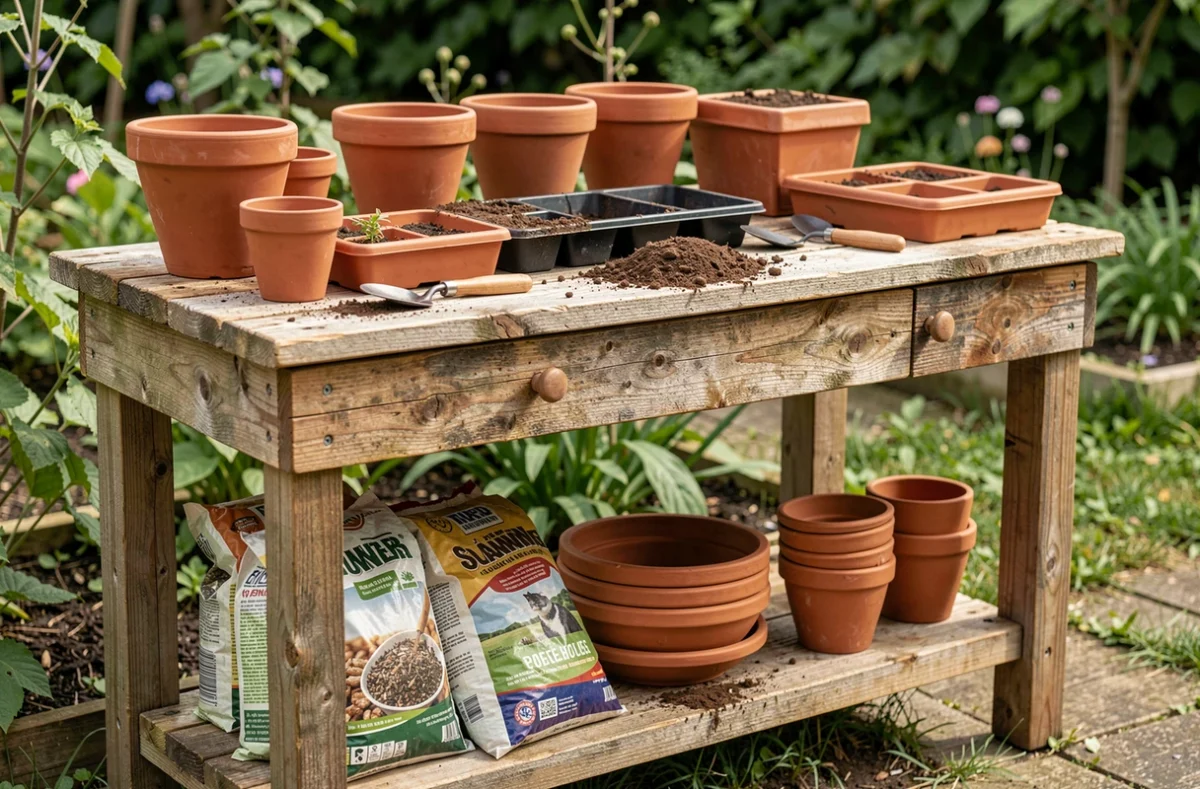
An outdoor work surface dedicated to potting and sowing changes how you use the garden daily. Two trestles, a few reclaimed boards, and a layer of wood stain are all you need. Attach hooks on the side to hang tools.
This type of DIY provides a useful focal point in the garden, between the vegetable patch and the relaxation area. A custom-made piece of furniture adapts to the working height, which helps avoid the back pain often associated with standard tables.
5. Plant climbers on taut cables
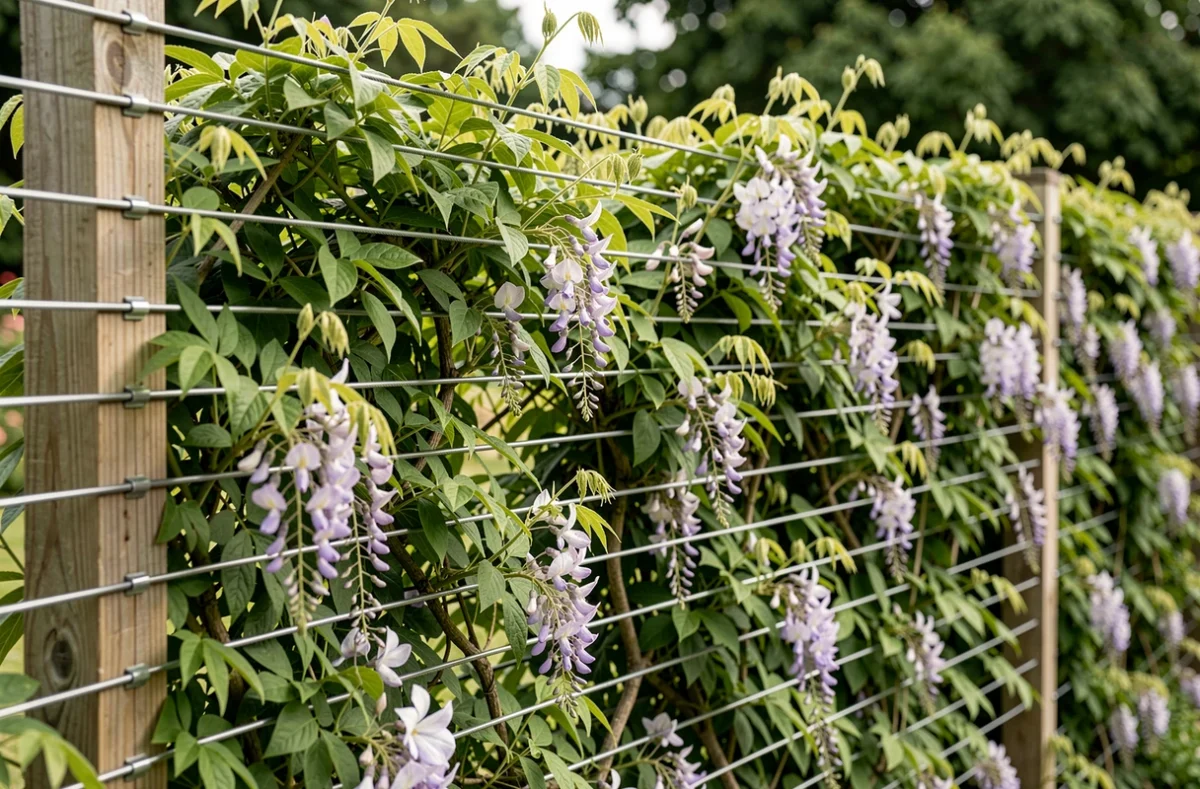
Climbing plants dress up a wall, fence, or trellis without taking up ground space. Instead of a wooden trellis that eventually rots, stretch stainless steel cables between anchors. The result is more discreet and lasts much longer.
Star jasmine, clematis, honeysuckle: the choice depends on the exposure. In shaded areas, climbing hydrangea remains a reliable option. Climbers create a natural privacy screen in two to three seasons, without needing a solid panel.
6. Set up a shaded corner with a shade sail
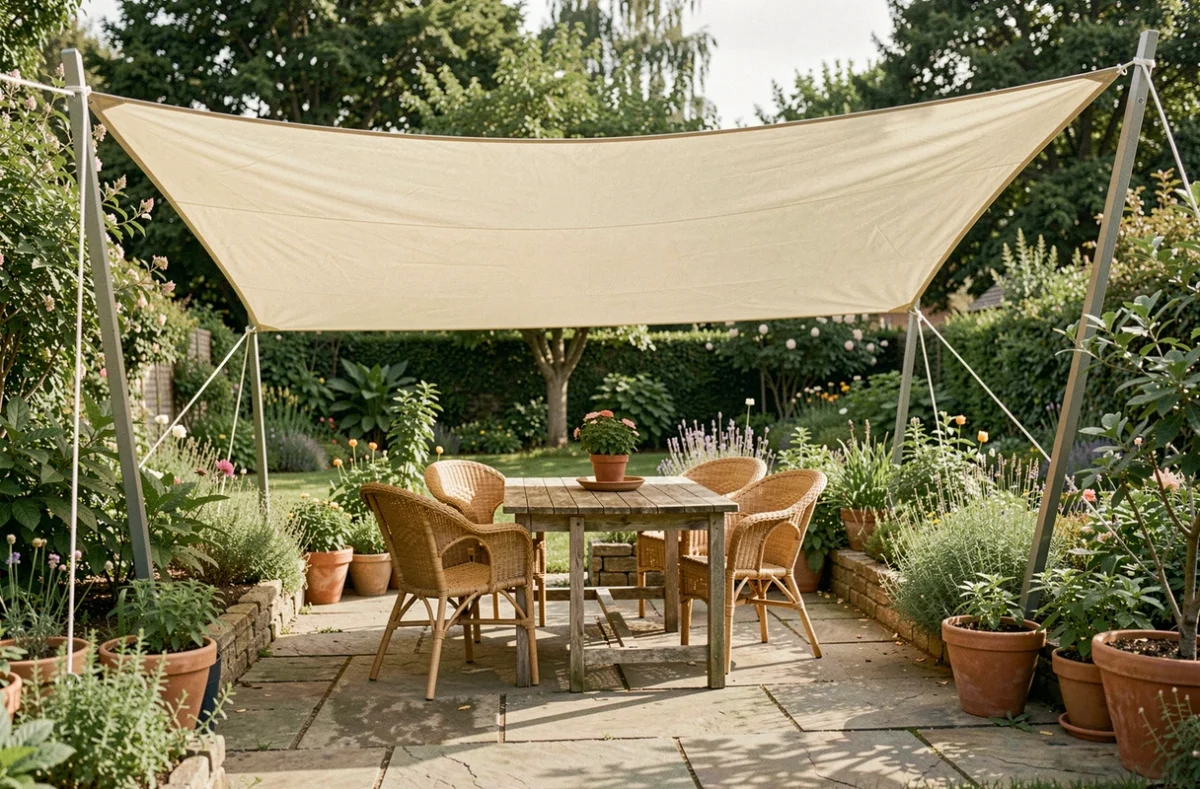
A shade sail stretched between three anchor points (wall, post, tree) creates a cool area in just a few hours. This setup costs less than a pergola and can be taken down in winter.
Choose a micro-ventilated fabric that allows air to pass while filtering most UV rays. The angle of inclination should allow rainwater to drain to avoid pooling. This is one of the quickest interventions to make a garden usable in the height of summer.
7. Integrate a visible rainwater collector
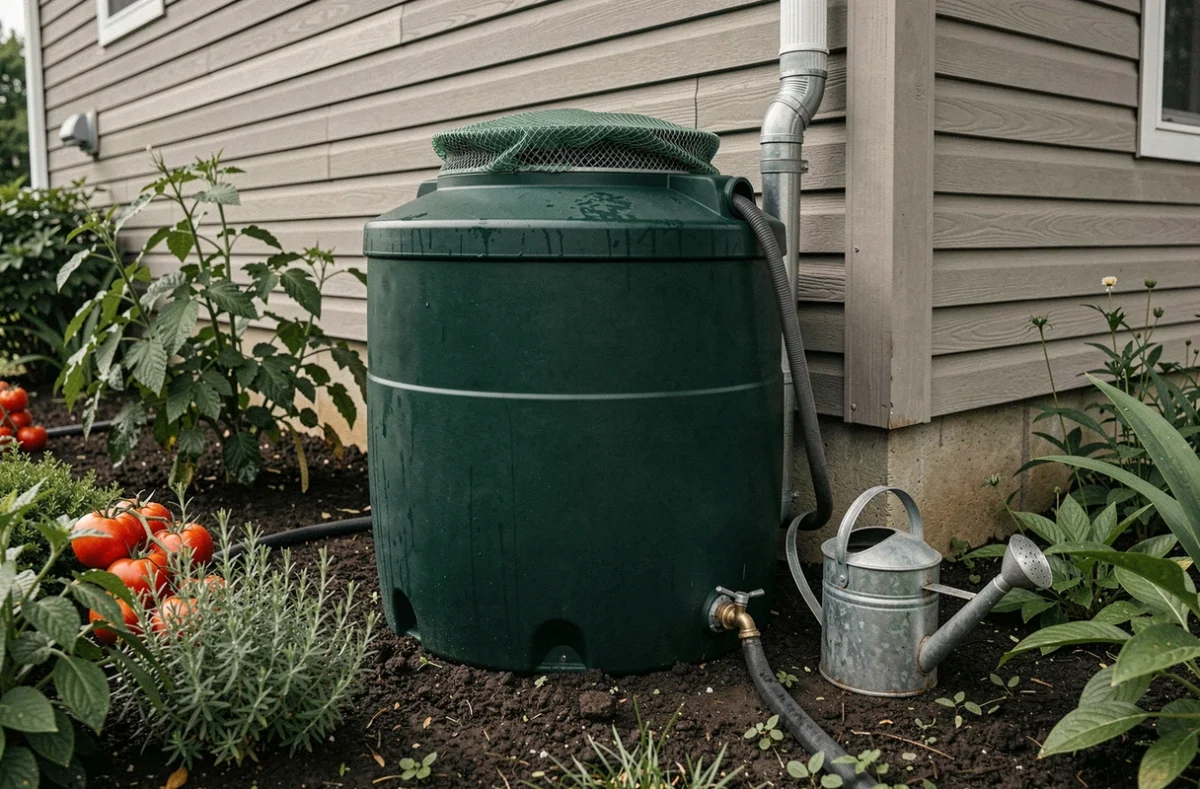
Rainwater harvesting is a useful gesture, but green plastic tanks don’t always blend into the decor. Models in corten steel, wood, or even tinted concrete exist and become a decorative element in their own right.
The French Doctrine of the light plant canopy recommends going beyond just the tank: identify the soil’s storage capacity, rain infiltration, and needs during dry periods before sizing the installation. A water balance avoids undersizing or oversizing the harvesting system.
8. Leave a controlled fallow area for pollinators
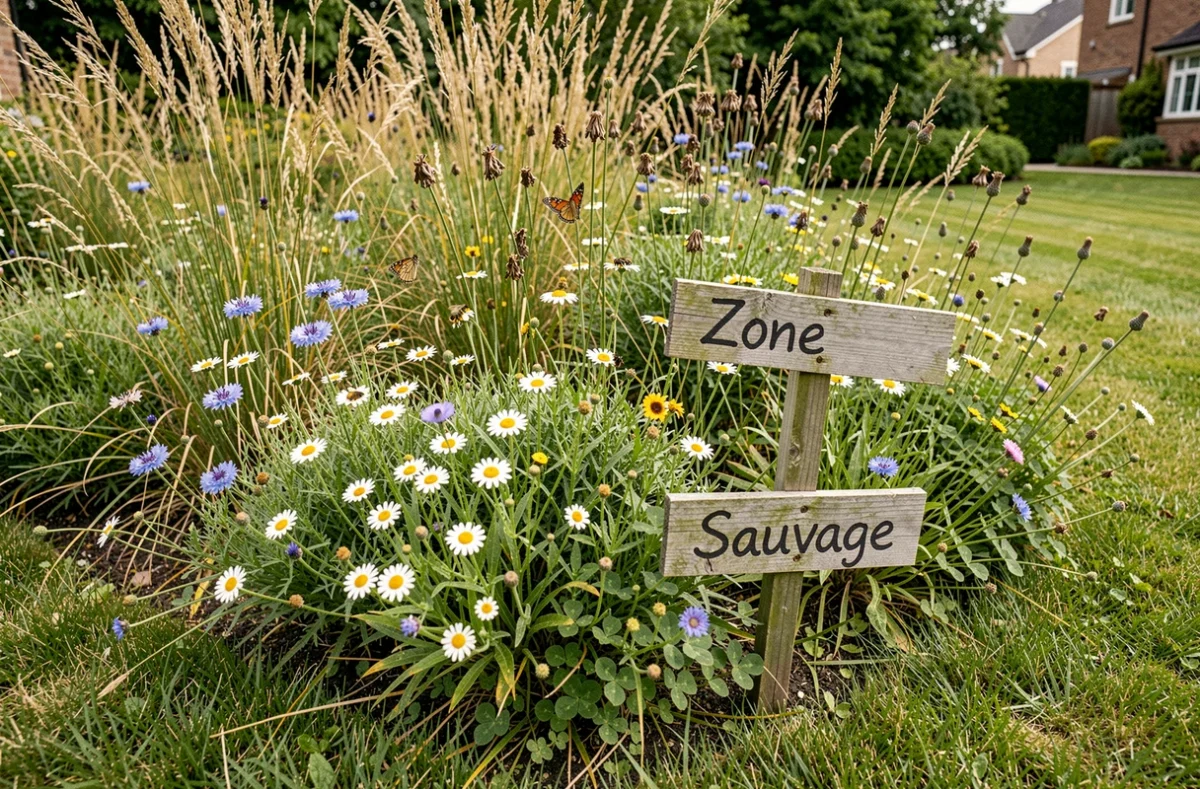
An overly tidy garden is biologically poor. Leaving a square meter or two uncut and unweeded allows wildflowers to settle and pollinators to feed.
This approach requires a change in perspective: accepting tall grasses, dry stems, and dead leaves at the foot of shrubs. The “messy” garden promotes biodiversity without any investment. Simply delineate the area with a few stones or a wooden border to keep the whole area readable.
9. Place solar lighting along a pathway
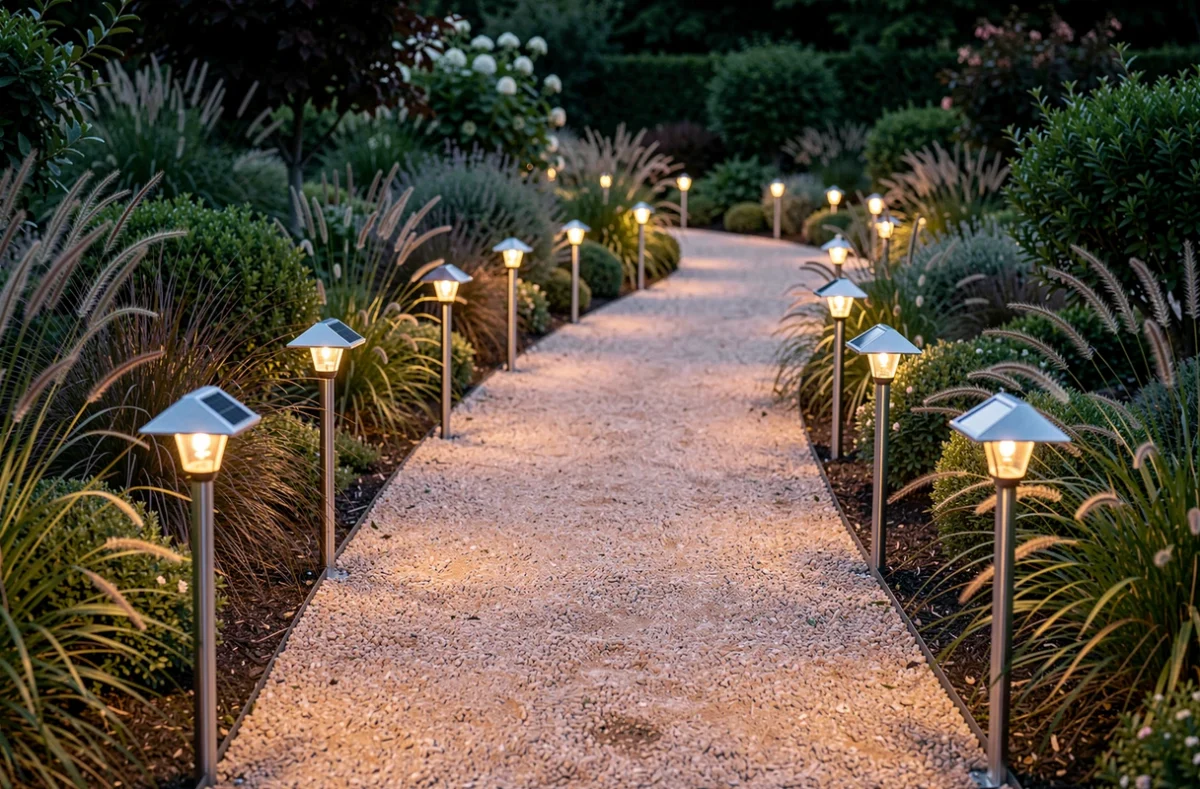
Low-voltage solar posts placed along a path or around a flowerbed extend the use of the garden after sunset. The installation requires no electrical wiring.
- Stake-mounted posts: ideal along pathways, they mark the passage without dazzling.
- Recessed solar spots: suitable for wooden or slab terraces, they create a discreet low-angle effect.
- Hanging solar garlands: perfect between two posts or under a shade sail for ambient lighting.
Opt for models with replaceable lithium-ion batteries. Budget models lose autonomy after one or two winters.
10. Make brick borders laid on edge
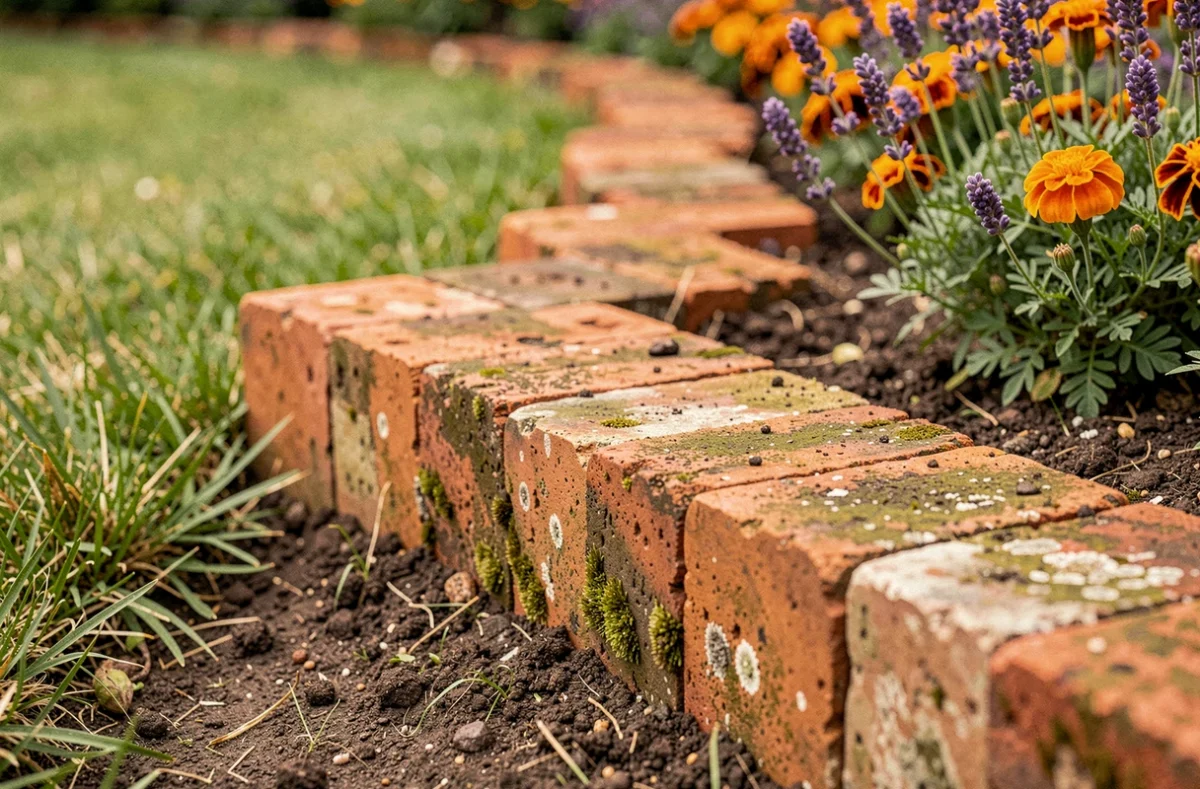
Reclaimed bricks laid in a zigzag pattern define flowerbeds, vegetable patches, and paths with a clean and durable finish. Laying them on edge (diagonally) simply requires digging a shallow trench and setting each brick in a bed of sand.
This type of border ages well, patinas over time, and requires no maintenance. It’s also an effective way to visually structure a garden without resorting to plastic borders, which deform under frost and heat.
Each of these interventions can be completed in a weekend or less. The common thread remains the same: work with available materials, choose plants suited to the current climate, and accept that a living garden doesn’t need to be perfect to be successful.