Winter driving comes with specific challenges related to harsh weather conditions. Freezing temperatures, snow, ice, and reduced visibility require drivers to be meticulously prepared and to adopt an appropriate approach to ensure their safety and that of other road users. From winter tires to emergency kits, as well as cautious driving techniques, it is vital to know the best practices for navigating snowy or icy roads. Proper preparation can make the difference between a safe journey and a winter incident.
Essentials for a car ready to face winter
Preparing your car for winter requires special attention to several key elements. Among these, winter tires, specifically designed to provide better grip on snow and ice, are a wise choice. Check your tire pressure regularly, as cold can affect it. The tires should be in good condition, and if you live in a particularly snowy area, consider snow tires for increased safety.
The battery of your vehicle is also put to the test by the cold. It should be checked and charged to ensure reliable starting in winter weather. It would be wise to have your battery inspected by a professional before winter arrives. MTM France recommends ensuring that your charging system is functioning properly to avoid any unexpected failures.
Windshield wipers are essential for maintaining good visibility despite snow and sleet. Make sure they are in good condition and do not leave streaks. The same goes for headlights, which should be clean and properly adjusted to pierce through the winter darkness and increase your visibility to other drivers. Automotive fluids, such as antifreeze and freeze-resistant windshield washer fluid, should be checked and topped up.
A winter-ready car must be equipped with appropriate winter car equipment, including an ice scraper, snow brush, jumper cables, and a first aid kit. Don’t let the cold catch you off guard and equip your vehicle to handle all eventualities. Preparation is key for smooth winter driving.
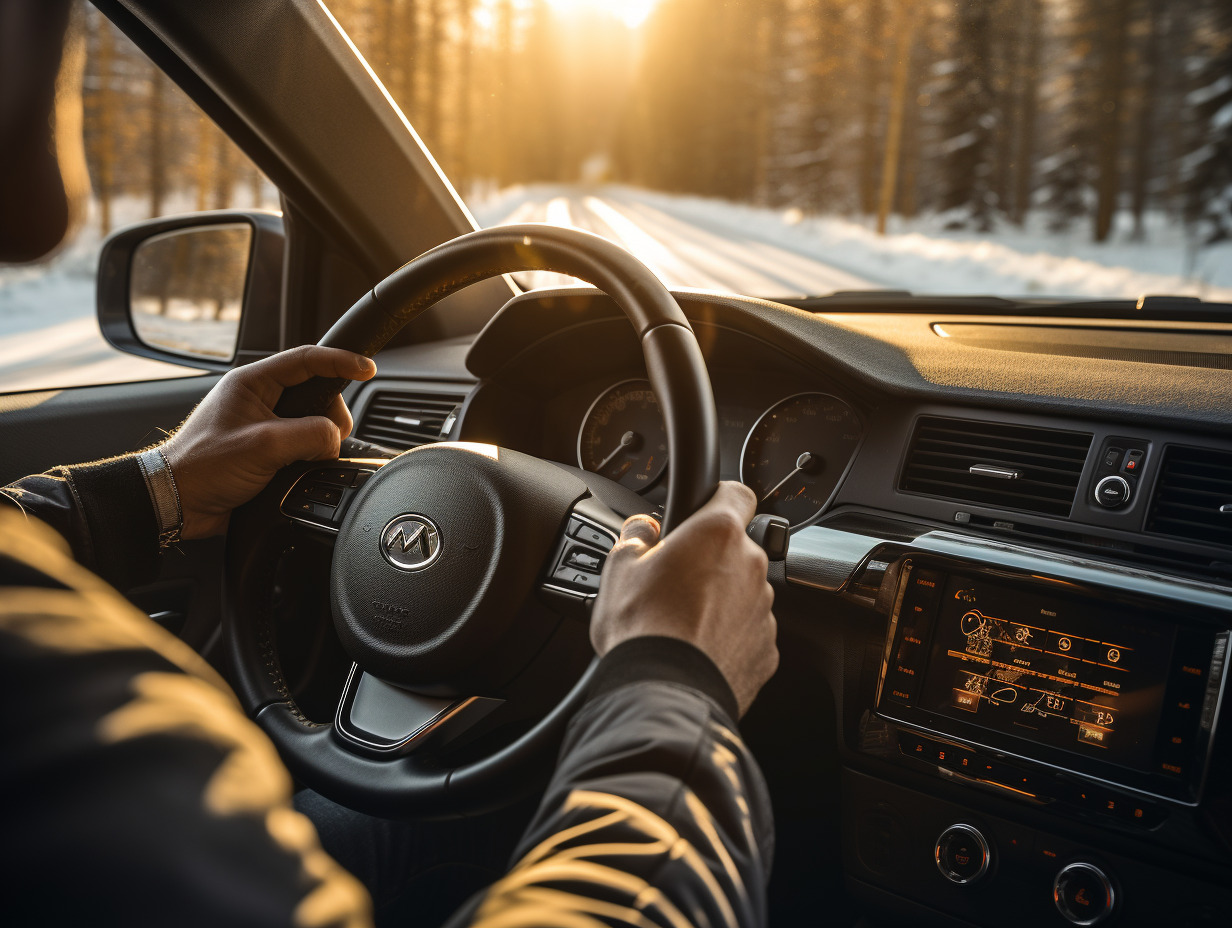
Safe driving techniques and behaviors in winter conditions
Winter driving requires an adaptation of your usual techniques. The first rule, indisputable, is to increase the following distance with the vehicles ahead of you. Winter road conditions—snow, ice, reduced visibility—significantly lengthen braking distances. Double or even triple your usual distance to give yourself enough time to react in case of an unexpected event.
Braking on slippery surfaces requires particular mastery, especially if your vehicle is not equipped with anti-lock brakes. The ‘pumping’ technique can prevent loss of control. If you have ABS, maintain pressure on the brake pedal: the system will regulate the braking force to prevent wheel lock-up. In a situation where the car skids, stay calm and gently steer in the direction you want to go, avoiding sudden movements.
Trip preparation is also a key step for safe winter driving. Before you leave, check the weather forecasts and road conditions. Plan an alternative route in case of adverse weather conditions. Always carry recommended safety accessories with you: a flashlight, warm clothing, food and water, as well as a portable phone charger.
The driver’s behavior should be exemplary. Reduce your speed and drive with heightened vigilance. Unpredictable reactions should be avoided: favor smooth movements of the steering wheel and pedals. In winter conditions, flexibility is synonymous with safety. Auto insurance from MMA offers guarantees and services tailored for drivers facing the rigors of winter. Familiarize yourself with these offers to travel with peace of mind.