A luxury car is primarily defined by a set of technical and heritage criteria: noble engine (inline six, V8, V12), limited production, partially manual assembly, and selected materials (full-grain leather, aluminum, carbon fiber). The automotive culture surrounding these models goes beyond mere mechanics to touch on industrial history, design, and a particular relationship with driving.
Classic car registration and access to low emission zones: what the status really changes
Before discussing passion, it is essential to understand an often poorly known administrative framework. In France, a vehicle over thirty years old can obtain the status of “classic vehicle” on its registration document. This status offers concrete advantages: spaced technical inspections, black license plates, and reduced insurance rates.
The trade-off is strict. Any significant modification to the engine, chassis, or bodywork can jeopardize eligibility for this specific registration document. An owner who replaces an original engine with a modern block risks losing the status, and by extension, the heritage value of the vehicle among specialized buyers.
One point deserves particular attention: the classic status does not automatically guarantee access to low emission zones (LEZ). Exemptions are set locally and vary from one urban area to another. Each community decides its own rules, which forces owners to check the current regulations before driving in a given urban center.
This constraint creates a constant tension between heritage conservation and the actual use of the vehicle. Keeping period mechanics preserves authenticity but may limit daily circulation in large cities. On gentlemen-drivers.fr, this interplay between automotive heritage and contemporary practice is at the heart of the topics discussed.
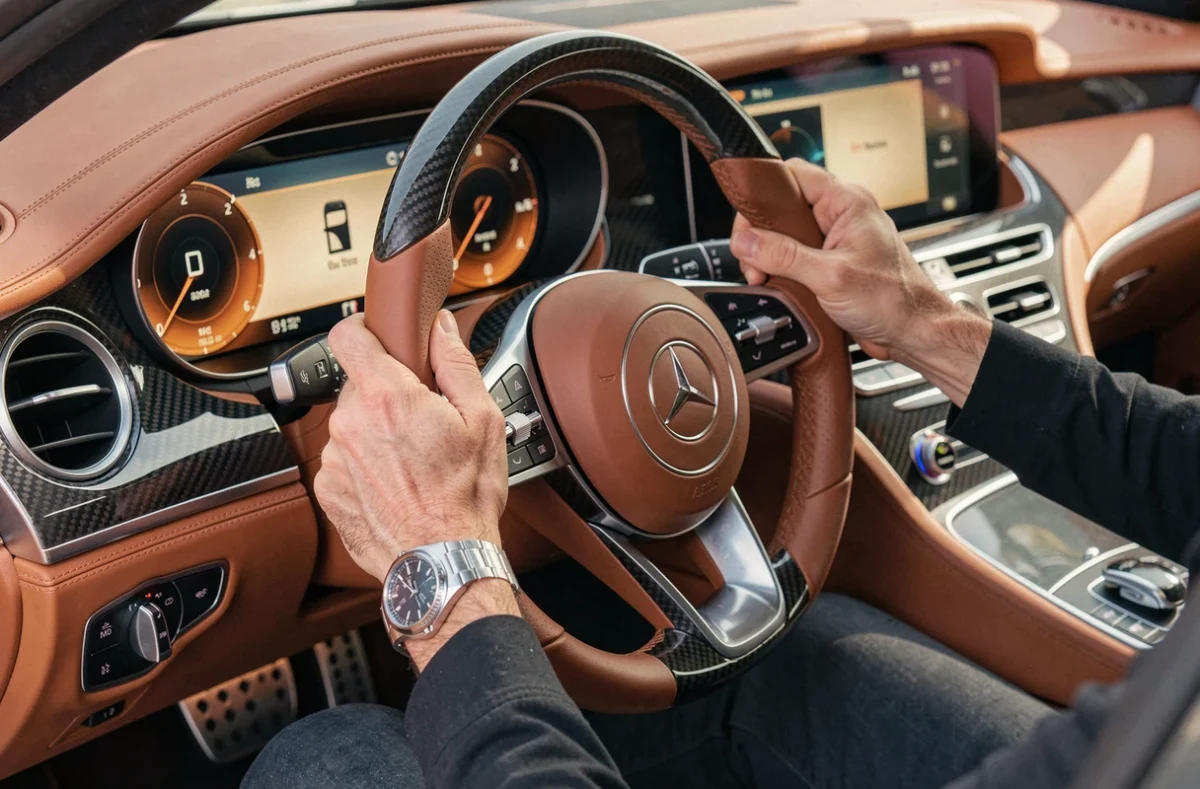
Luxury cars and identity: beyond the simple mechanical object
An Ipsos study conducted for the Mondial de l’Auto indicates that cars remain associated with freedom and personal expression for a large part of motorists. The relationship with the automobile is evolving towards a more identity-driven and experiential function than strictly utilitarian.
This phenomenon is particularly evident in the prestige segment. Owning a classic Mercedes, a Jaguar E-Type, or an Italian sports car from the 1960s means entering into a specific industrial history. Each brand carries a distinct technical heritage.
What distinguishes prestige from generic luxury
Luxury is measured by price and rarity. Automotive prestige adds a technical and historical dimension. A luxury car is recognized by several concrete elements:
- An engine architecture that has become a reference in engineering history (Porsche flat-six, Ferrari V12, BMW inline six)
- A design signed by a recognizable coachbuilder or studio, often linked to a national stylistic school (Pininfarina, Bertone, Zagato for Italy)
- A competitive track record that has served as a laboratory for road versions, transferring technical solutions from the track to the road
- A production sufficiently limited so that each unit retains documented traceability (maintenance history, tracked chassis number)
It is this combination that separates a sought-after classic vehicle from an old car without particular value.
Automotive culture: a passion that is not limited to a single profile
The image of an exclusively male automotive culture is reductive. Available data shows that automotive passion concerns a broader audience than the stereotype suggests. Classic car gatherings, concours d’élégance, and brand clubs welcome diverse profiles, including a growing number of female collectors and young enthusiasts attracted to youngtimer models.
What unites this community is less gender than sensitivity to a technical object rich in history. The pleasure of driving an analog machine, without electronic assistance, provides a sensory experience that modern vehicles do not replicate in the same way.
The arbitration between conservation or modernization
Every owner of a classic luxury car faces a practical dilemma. Preserving the original configuration guarantees historical and administrative value. Modernizing certain elements (braking, lighting, power supply) improves reliability and safety for daily use.
A deeply modified vehicle often loses its eligibility for classic status and sees its value decrease in the specialized market. The fine line consists of making reversible improvements that do not alter the original architecture and can be removed to restore the initial configuration.

Classic car market in France: concrete benchmarks
The French classic car market is organized around several circuits: auctions (Paris remains a stronghold with specialized houses), dedicated shows like Rétromobile, and transactions between individuals via brand clubs.
Authenticity is the primary valuation criterion. A vehicle with documented history, traceable maintenance invoices, and a match between the chassis number and manufacturer records trades significantly above an identical model without documentation.
Brands that attract collectors’ attention in France include names like Mercedes, Jaguar, Porsche, or historic French manufacturers. The youngtimer segment (vehicles from the 1980s-1990s) attracts a new generation of buyers, with entry budgets more accessible than for pre-war models.
The culture of prestige automobiles relies on a balance between emotion and rigor. Administrative rigor with the classic status and its constraints, technical rigor with the preservation of authenticity, and documentary rigor with the tracking of history. It is this whole that transforms an old vehicle into a living heritage object, capable of driving and transmitting a part of industrial history with every outing.