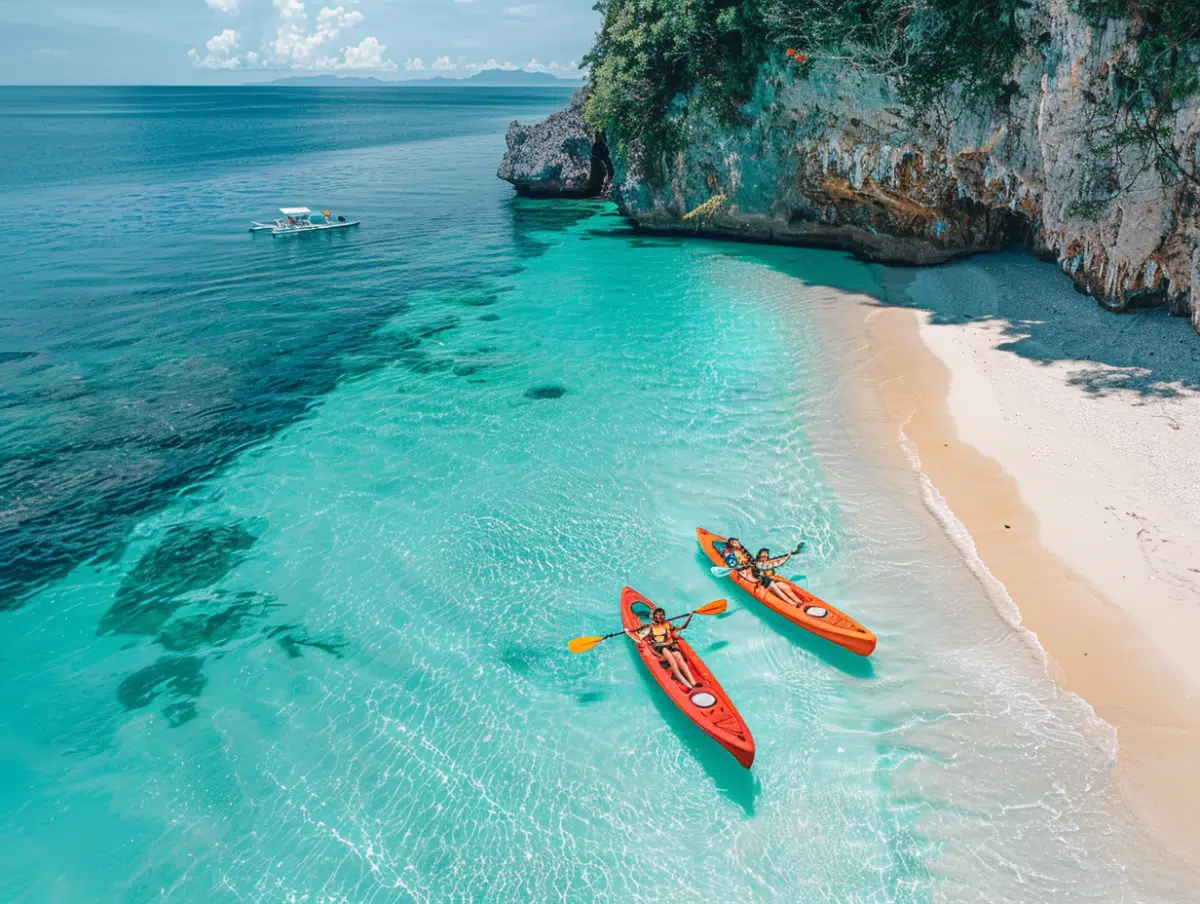
The Philippines, a paradise archipelago located in Southeast Asia, attracts thousands of tourists each year in search of idyllic beaches and exotic adventures. Safety is a fundamental issue that should not be overlooked. Between the terrorist threat in certain regions, natural risks such as typhoons or earthquakes, and petty urban crime, travelers must inform themselves and prepare adequately. Precautionary measures are essential, such as consulting the recommendations of the Ministry of Foreign Affairs, purchasing travel insurance, and staying informed about the local situation for a hassle-free stay.
Risk Assessment and Safety Tips for Travelers to the Philippines
The Philippines, with their stunning landscapes and rich culture, are not without risks. Political violence, often targeting Filipinos engaged in politics, journalists, human rights defenders, and legal professionals, remains a major concern. Active terrorist groups and violent clashes between forces are elements of the security situation that one must be aware of. Crime is on the rise, with kidnappings, online scams, and increasingly frequent bank data thefts. The risk of kidnapping is particularly concerning, and caution is necessary in all virtual transactions to protect one’s financial security.
The terrorist risk, with groups such as armed Islamist movements and the New People’s Army, requires close attention to the instructions of the authorities. The western coastal areas of Mindanao, as well as the Sulu and Tawi-Tawi archipelagos, are known for maritime piracy and should be avoided to ensure safety at sea. Natural risks, including cyclones, earthquakes, and volcanoes, necessitate heightened vigilance and knowledge of the precautions to take in the face of these phenomena, especially during the cyclone season and in the presence of volcanic activity.
As for advised zones for security reasons, they include Basilan Island, the Sulu and Tawi-Tawi archipelagos, as well as western Mindanao. Crime rates are high there, and the crackdown on drug trafficking has intensified. These elements converge to create a vigilance map that travelers should consult and respect. Follow the safety tips for traveling to the Philippines and inform yourself about the advised zones to avoid risky areas while enjoying the riches these islands have to offer.
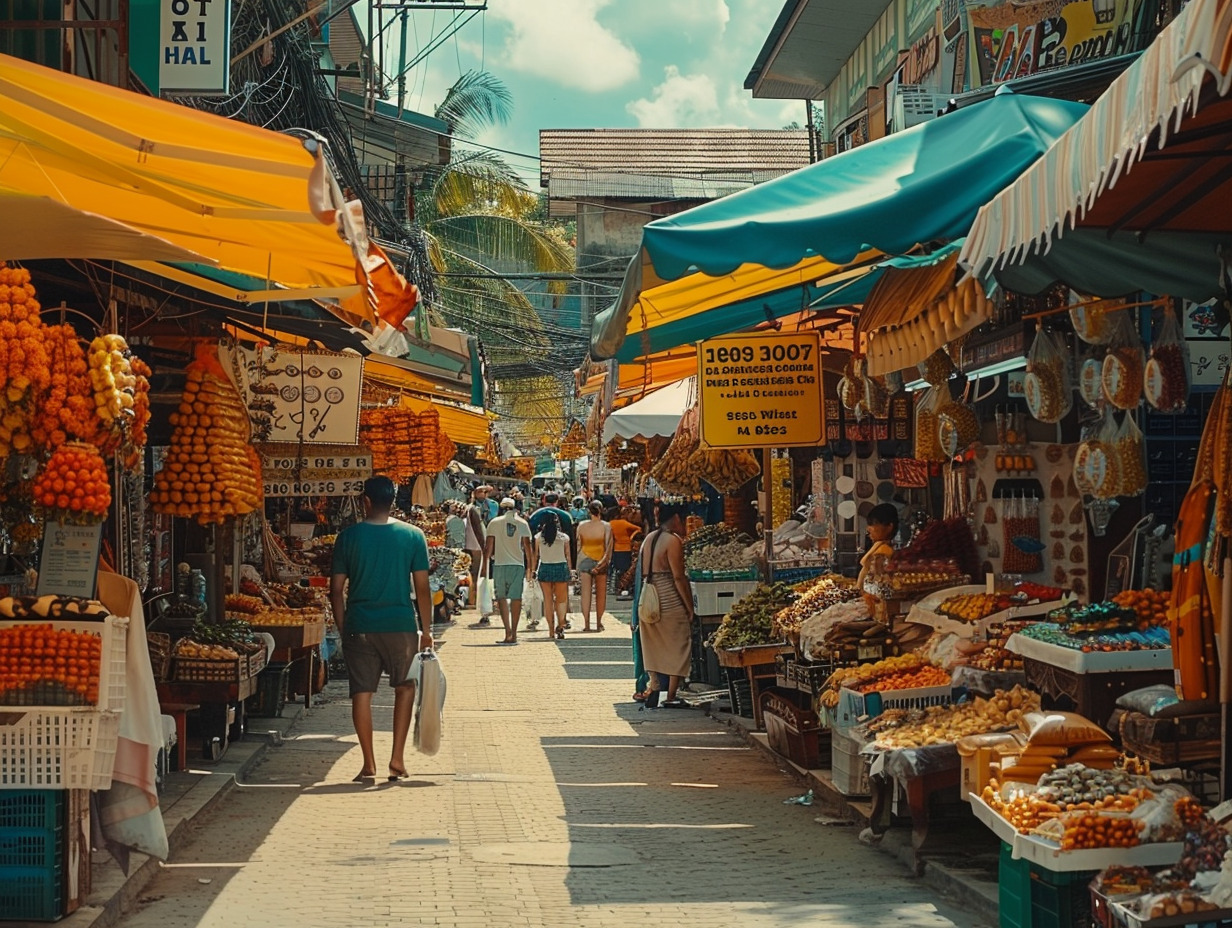
Essential Preparations and Precautions Before Traveling to the Philippines
Before flying to the Philippine archipelago, general recommendations are necessary. Minimize the risk of loss or theft by not carrying all your documents and funds in one bag. Diversify the locations where you keep your important documents and money to avoid mishaps. This simple yet effective practice ensures a significant safety margin in case of an incident.
For enthusiasts of sports activities such as mountain trekking or diving, specific preparation is required. Make sure you have the appropriate equipment and necessary skills for these activities in sometimes isolated areas. Knowledge of local conditions and consulting with industry professionals is essential for safe and memorable experiences.
The issue of health is paramount. Health infrastructure is often insufficient, so vaccination serves as a barrier against various diseases: diphtheria, tetanus, whooping cough, polio, hepatitis A and B, typhoid, and Japanese encephalitis. Precautions against mosquito bites, vectors of tropical diseases, must be taken very seriously.
In terms of transportation, the Philippines has many small airports facilitating domestic flights. Boats are a primary means of transport between the islands; it is important to inquire about their safety and frequency. Accommodation offers a wide range, from modest guesthouses to luxury resorts. Choose your type of accommodation based on your budget and expectations, while remaining vigilant about the location and safety of the establishments.