
At the end of October 2026, Europlasma published its half-year results, confirming a strained financial trajectory: revenue of €22.3 million, weighed down by a slowdown in the Industries division, and going-concern status still dependent on unconfirmed sources of support. For anyone following the stock on Euronext Growth, the question is no longer whether Europlasma is speculative, but how heavily dilution risk and operational uncertainty are weighing on the share price.
Europlasma dilution and bond financing: the trap for shareholders
It is often said that the group has access to bond financing of up to €45 million. On paper, that figure is reassuring. In practice, each tranche drawn down is converted into new shares, increasing the number of shares in circulation and mechanically reducing the value of each share.
The mechanism is conditional: access to the tranches depends on the share’s liquidity. If the share price collapses, the remaining tranches may become inaccessible or convert on terms that are even less favourable to existing shareholders. Europlasma itself has flagged this in its regulated disclosures.
An in-depth analysis of Europlasma’s prospects on the stock market in 2026 shows that this type of financing, common among struggling micro-cap companies, shifts risk onto minority shareholders. Their ownership is diluted, while bondholders secure their conversion at a discount to the share price.
Investors buying the stock in the hope of a rebound need to factor in this mechanism: each bond drawdown can accelerate the share price decline rather than stabilise the company.
First-half 2026 results: what the Industries division reveals
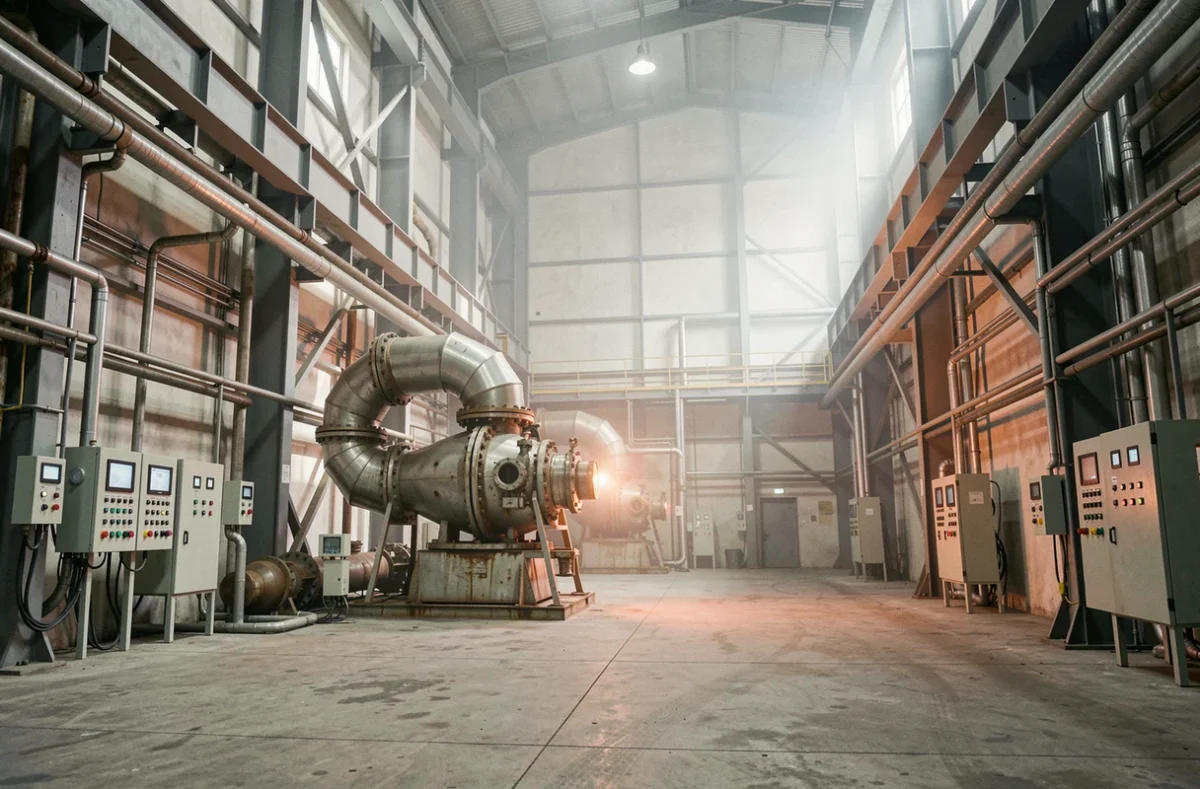
Revenue of €22.3 million in the first half of 2026 masks an imbalance between business segments. Operating performance was primarily affected by the Industries division, where production rates declined. This is not simply a temporary slowdown: the difficulties are structural and relate to the group’s ability to maintain a profitable industrial output.
Investors need to look beyond consolidated revenue when reviewing the results. Two points deserve particular attention:
- The accounts were prepared on a going-concern basis, a signal that auditors scrutinise closely when available cash is low
- Lower production rates in the Industries division are weighing on profitability, and no concrete restructuring plan has been announced to reverse this trend
Falling revenue and strained cash reserves are not the hallmarks of a company on the rebound. This looks more like a struggle for operational survival.
Sale of Europlasma’s Defence division: an uncertain catalyst
The group has announced plans to sell its Defence division, which includes Forges de Tarbes. Several potential buyers have come forward, suggesting that these assets may have genuine market value.
The situation on the ground is more complicated. According to the specialist press, some potential buyers are demanding that the sale of the factory buildings be cancelled as a precondition for making an offer. This highlights a point markets underestimate: the value of a strategic industrial asset does not automatically accrue to the shareholders of the company selling it.
If the sale goes through at a low price or on restrictive terms (such as job-retention requirements or mandatory investment), the net proceeds for Europlasma could be considerably reduced. If the sale falls through, the group will be left with an expensive asset to operate and no means to develop it.
The case of Fonderie de Bretagne
Europlasma had bid to take over Fonderie de Bretagne, a case that highlighted the limits of the group’s acquisition strategy. The ability to integrate struggling industrial sites depends on financial strength that Europlasma currently lacks. This precedent should prompt caution when assessing announcements about diversification or takeovers.

Investing in Europlasma stock: the real risk profile
The situation can be summed up by three mutually reinforcing constraints:
- Very limited cash reserves leave the group dependent on dilutive financing, which pushes the share price down
- An underperforming industrial division does not generate enough cash to reduce that dependence
- The outcome and timing of strategic asset sales remain unclear, with potential buyers imposing onerous conditions
For a retail investor, this combination represents a significant risk of capital loss. The share price may see occasional technical rebounds on announcements of asset sales or tranche drawdowns, but the underlying trend remains driven by dilution and operational fragility.
Listing on Euronext Growth, a less regulated market than the main market, also means lower liquidity. Exiting a position can prove difficult if the order book dries up, which often happens with struggling micro-cap stocks.
In 2026, Europlasma looks more like a restructuring case than a conventional stock market opportunity. The group’s assets, particularly in defence and pollution control, have industrial relevance. But there is a gulf between the intrinsic value of a technology and the value it delivers to shareholders—a gap that the current financial structure cannot bridge.